


A Proactive Guide to Getting Your Fleet Ready for FMCSA Roadside Inspections
Prepare your fleet for FMCSA roadside inspections with proactive compliance strategies. Improve safety, reduce violations, and keep your operations inspection-ready with proper documentation, maintenance, and driver training.

Roger Press
Feb 13, 2026Share:
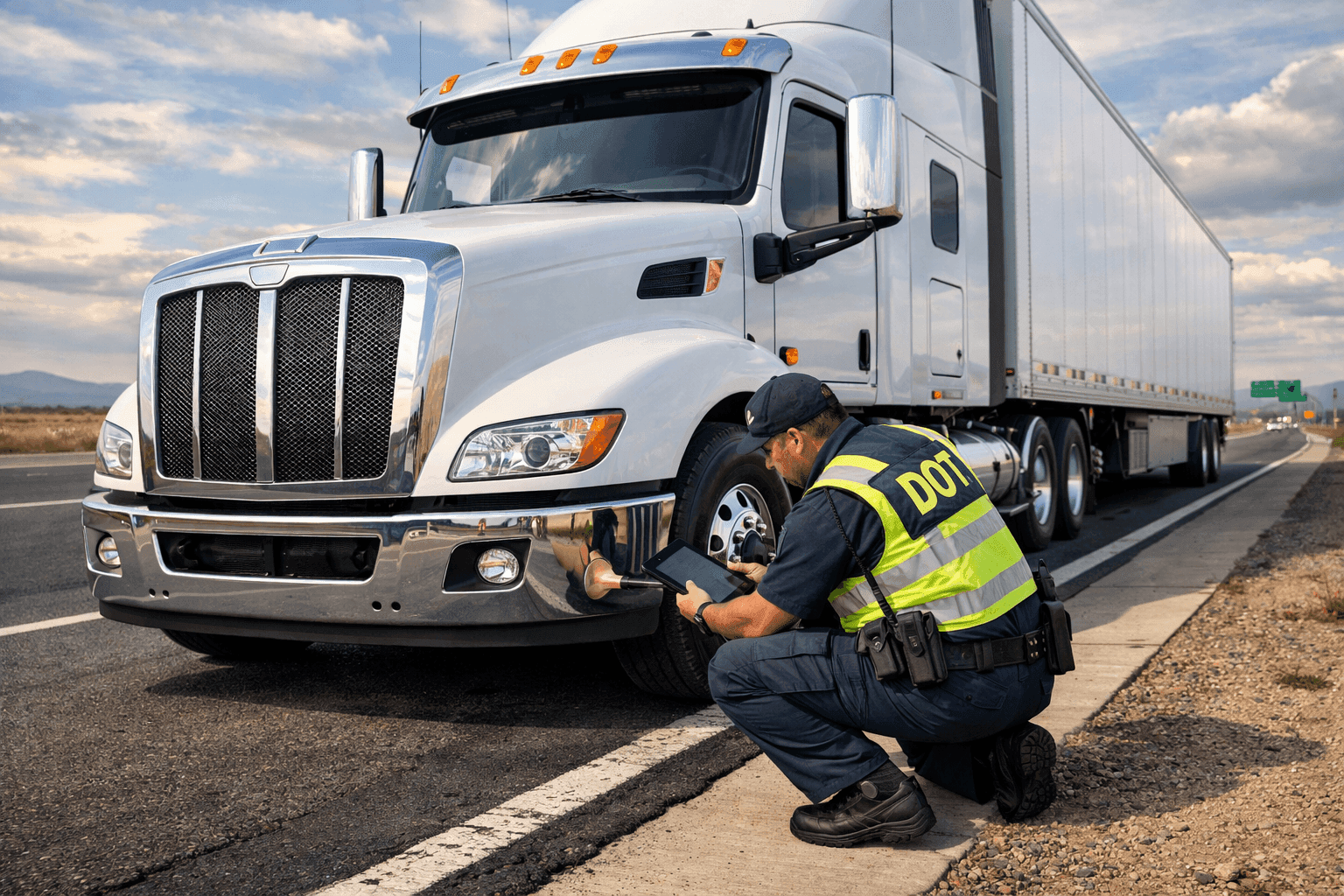
Roadside inspections are a routine part of operating a commercial fleet in the United States. Conducted by the Federal Motor Carrier Safety Administration (FMCSA), these inspections ensure that commercial vehicles and drivers comply with federal safety regulations.
While inspections can feel stressful, fleets that prepare in advance experience fewer violations, less downtime, and stronger safety ratings. Proactive preparation transforms inspections from a risk into an opportunity to demonstrate professionalism and compliance.
Here’s how to ensure your fleet stays inspection-ready at all times.
Understanding What FMCSA Inspectors Evaluate
During a roadside inspection, officers typically review:
- Driver credentials and qualification files
- Hours of Service (HOS) records
- Vehicle mechanical condition
- Cargo securement
- Drug and alcohol compliance documentation
Inspections may vary in depth, ranging from basic driver checks to comprehensive vehicle assessments. Being prepared in every area is essential.
1. Maintain Accurate and Updated Driver Documentation
Incomplete or outdated paperwork is one of the most common causes of violations.
Make sure every driver has:
- A valid Commercial Driver’s License (CDL)
- A current medical examiner’s certificate
- Proper endorsements
- Accurate and up-to-date HOS logs
Electronic Logging Devices (ELDs) significantly reduce recordkeeping errors and help maintain compliance.
2. Enforce Consistent Pre-Trip and Post-Trip Inspections
Daily vehicle checks are critical in preventing roadside violations.
Drivers should inspect:
- Brakes and brake systems
- Tires and tread depth
- Lights and reflectors
- Steering components
- Mirrors and windshields
- Emergency equipment
Encourage prompt defect reporting and ensure all repairs are documented properly. Preventative maintenance reduces the likelihood of out-of-service violations.
3. Keep Maintenance Records Organized
Inspectors may request proof of maintenance compliance.
Your fleet should maintain:
- Preventive maintenance schedules
- Repair documentation
- Annual DOT inspection reports
- Vehicle inspection histories
Digitized recordkeeping systems allow quick access during inspections and improve operational transparency.
4. Train Drivers on Inspection Protocols
Preparation isn’t only mechanical — it’s behavioral.
Drivers should understand:
- The inspection process
- Required documentation
- Professional communication with inspectors
- Proper handling of violation notices
Well-trained drivers help ensure inspections proceed smoothly and efficiently.
5. Monitor CSA Scores Regularly
The FMCSA tracks fleet safety performance through the Compliance, Safety, Accountability (CSA) program.
Monitoring CSA scores helps you:
- Identify recurring violations
- Detect safety trends
- Implement corrective action plans
Improving CSA performance reduces inspection frequency and strengthens your company’s reputation.
6. Conduct Internal Mock Inspections
Perform routine internal audits that simulate roadside inspections.
Review:
- Driver qualification files
- ELD data
- Maintenance documentation
- Vehicle condition
Mock inspections expose compliance gaps before they become costly violations.
7. Leverage Technology for Continuous Compliance
Modern fleet management platforms provide:
- Real-time vehicle diagnostics
- Automated maintenance alerts
- Digital document storage
- HOS monitoring dashboards
Technology enables proactive monitoring instead of reactive problem-solving.
Why Proactive Inspection Readiness Matters
Failing a roadside inspection can lead to:
- Fines and penalties
- Out-of-service orders
- Increased insurance premiums
- Damage to company reputation
On the other hand, clean inspections strengthen safety ratings and demonstrate operational excellence.
Preparation is not just about passing inspections — it’s about building a culture of safety and accountability.
Frequently Asked Questions (FAQs)
1. How often can my fleet be inspected?
There is no fixed schedule. Inspection frequency often depends on your fleet’s safety record and CSA scores. Fleets with strong compliance histories may experience fewer inspections.
2. What happens if a vehicle fails inspection?
If serious violations are found, the vehicle or driver may be placed out of service until the issue is corrected. Violations can also negatively impact your CSA score.
3. How can I reduce roadside inspection violations?
You can reduce violations by:
- Conducting regular maintenance
- Training drivers on compliance procedures
- Performing mock inspections
- Monitoring CSA performance
- Using fleet management technology
Proactive systems significantly reduce the likelihood of violations.
4. Do electronic logging devices (ELDs) help during inspections?
Yes. ELDs simplify Hours of Service recordkeeping and allow inspectors to review logs quickly and accurately. They reduce paperwork errors and improve compliance efficiency.
Final Thoughts
Preparing your fleet for roadside inspections should be a continuous process — not a last-minute effort. By prioritizing documentation accuracy, vehicle maintenance, driver training, and compliance monitoring, you reduce risk while strengthening your operational foundation.
Inspection readiness isn’t just regulatory compliance — it’s a competitive advantage in today’s transportation industry.
Share:
Start Empowering Your Fleet Today
Experience the power of Intelligent Compliance with a free, no-obligation demo and partner network walk-through. See firsthand how we can help you achieve higher compliance standards. Partner with us and elevate your fleet today.
Request a Demo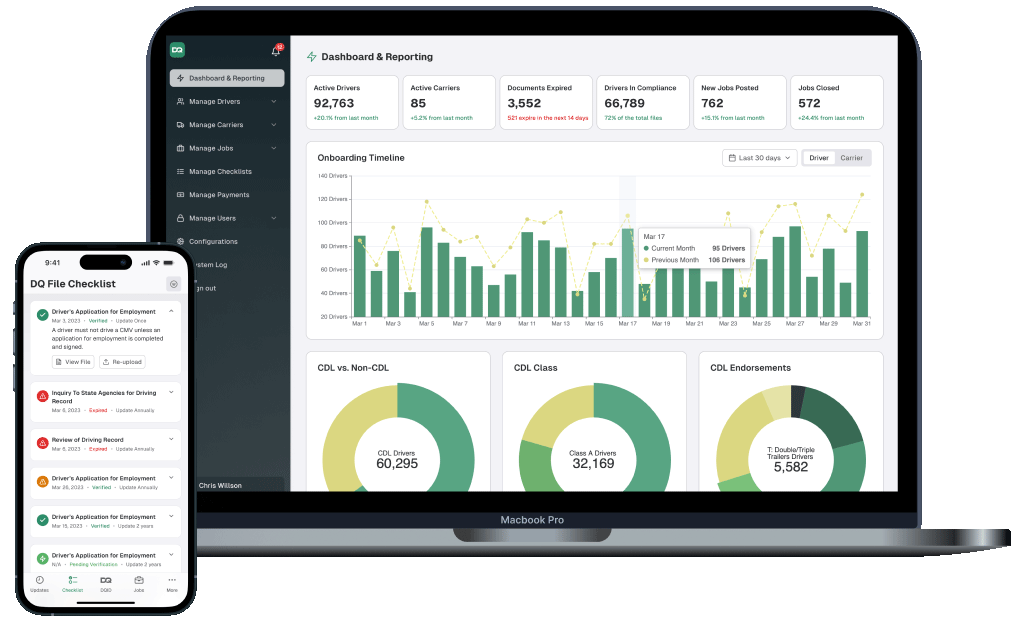
Join our community
Connect with industry professionals and stay updated on the latest in driver qualification management.
Stay Connected
Get industry updates, regulatory news, and safety insights sent to your inbox.